What Does Your Car Need at 100,000 Miles?
A Practical Guide to Keeping a High-Mileage Vehicle Running Strong
Hitting 100,000 miles used to be a significant milestone for a vehicle. For some drivers, it was even the point at which they considered purchasing something newer.
Today, the story has changed significantly.
With regular maintenance and appropriate repairs, modern vehicles can stay reliable long after surpassing 100,000 miles. It's common to find well-maintained cars reaching milestones of 150,000 or even 200,000 miles and beyond.
At Larsen Automotive, we've been taking care of vehicles in Culver City since 1954. While automotive technology has evolved significantly over the years, one thing remains constant: cars tend to reward owners who maintain them well.
Therefore, if your odometer is nearing a six-digit figure, you might be asking yourself:
What maintenance is truly necessary for my car at the 100,000-mile mark?
There isn't a one-size-fits-all answer since each manufacturer, model, and maintenance history varies. Nonetheless, reaching 100,000 miles is an excellent opportunity to closely evaluate your vehicle and plan for its future.
Is 100,000 miles considered high mileage anymore?
Yes, technically speaking. However, high mileage doesn't necessarily mean a vehicle is close to the end of its lifespan.
Mileage indicates the distance a vehicle has traveled, but it doesn't reflect how well it's been maintained.
A vehicle with 120,000 miles and a reliable service history might be in much better condition than one with only 60,000 miles that hasn't received proper maintenance for years.
That's why we choose to evaluate the entire vehicle instead of making assumptions based solely on the odometer reading.
When your car reaches 100,000 miles, the aim shouldn't be to replace everything just because of that milestone. Instead, focus on what maintenance has already been done, evaluate your vehicle's current condition, and identify any areas that might need attention soon.
Start with the maintenance history
Before deciding what your car needs, it helps to review the maintenance and repairs already completed.
Has the cooling system undergone servicing? When did you last replace the spark plugs? Has there been any change to the transmission fluid in the past? Are the brakes fairly new? Have you had any suspension repairs recently?
Two identical vehicles that have each traveled 100,000 miles might require entirely different services based on their individual maintenance histories.
If you have maintenance records, please bring them along. However, if you don't have any, that's perfectly fine. A professional inspection can still offer valuable insights into your vehicle's current condition.
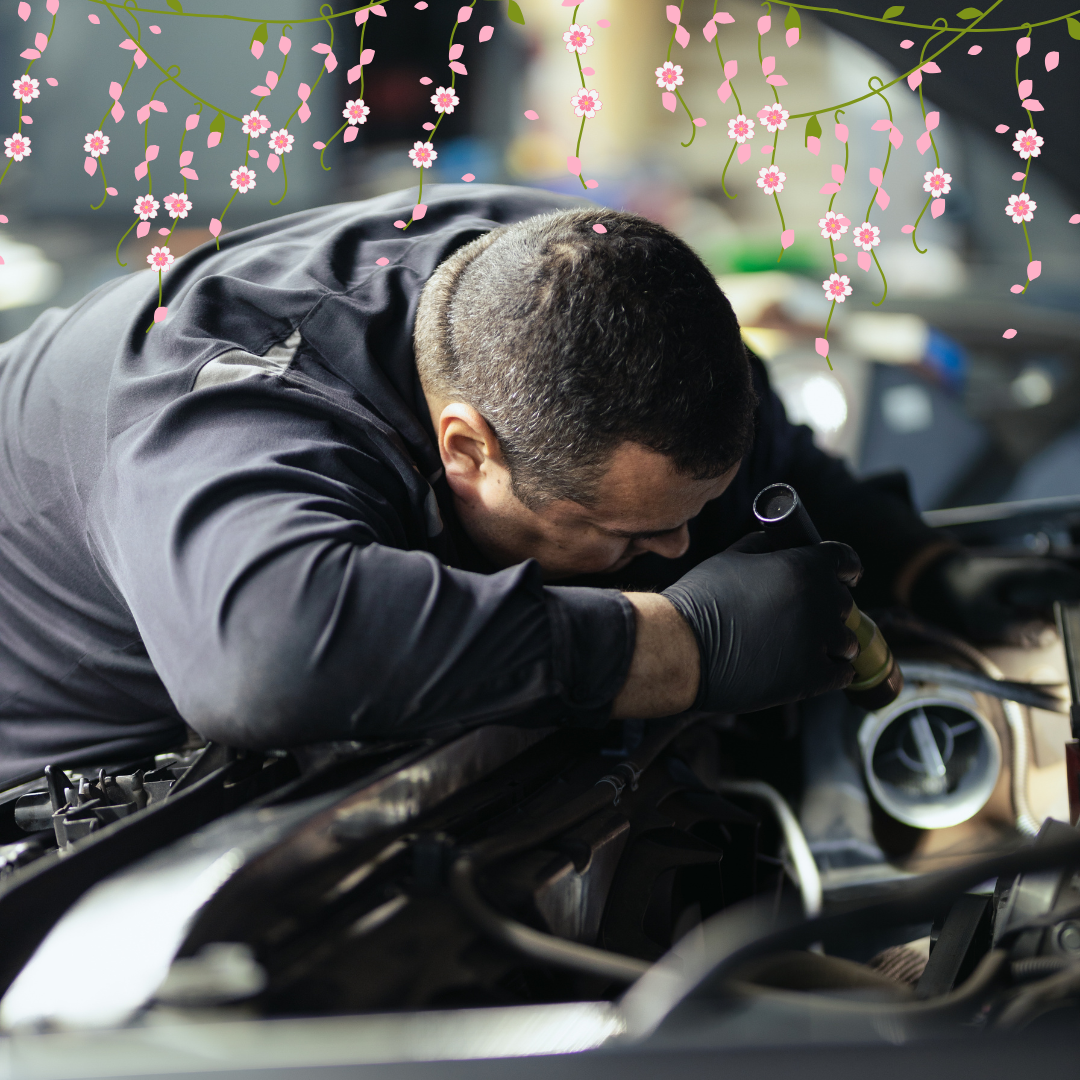
What should be inspected around 100,000 miles?
This is when a thorough inspection proves especially beneficial.
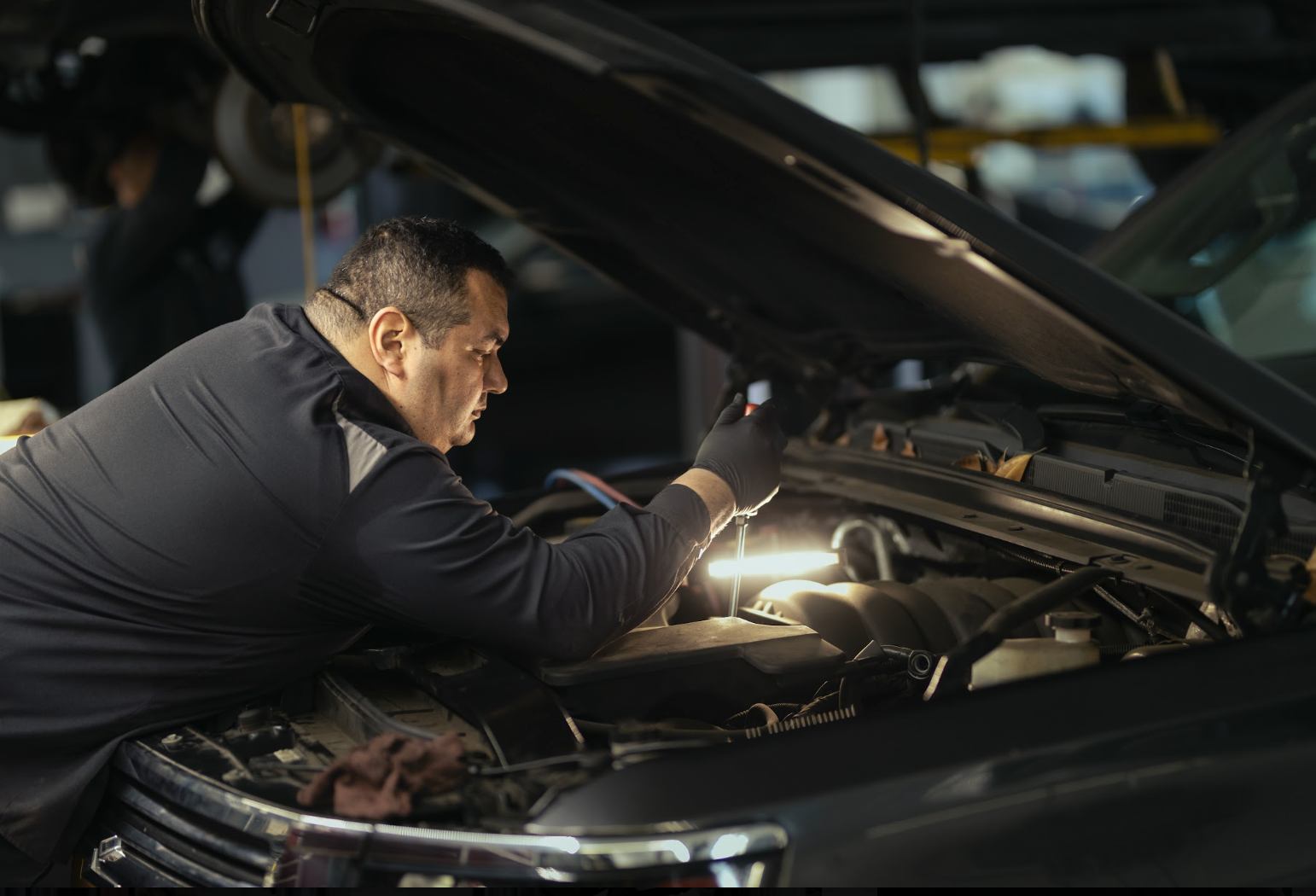
At this stage in a vehicle's lifespan, many components have endured years of heat, vibration, friction, traffic, potholes, and countless routine starts and stops.
The braking system requires attention as pads, rotors, and other components gradually wear down. Also assess your steering and suspension, especially if the ride feels different than it used to.
Belts and hoses can degrade over time, even with relatively low mileage. Assess fluids by considering their condition as well as manufacturer recommendations.
Also consider the battery, tires, cooling system, filters, and other wear-prone components.
This should serve as an inspection, not a predetermined shopping list.
Do I need to replace every fluid at 100,000 miles?
Not necessarily.
This is why generic "100K service packages" can be misleading. Maintain your vehicle based on the manufacturer's guidelines, its maintenance record, and its current condition.
Engine oil, undoubtedly, needs to be changed regularly over a vehicle's lifespan. However, other fluids have varying service intervals.
Coolant regulates engine temperature and safeguards the cooling system. Brake fluid is crucial for maintaining consistent braking performance. Transmission fluid lubricates and protects internal components.
The appropriate question isn't just, "Has my car reached 100,000 miles?"
A better question is, "When was this fluid last serviced, and what does my manufacturer recommend?"
Why does the cooling system matter so much as a car ages?
Heat is a major adversary for engines, especially in Southern California.
Your cooling system continuously operates to maintain the engine's temperature. However, over time, hoses may age, seals might degrade, coolant can lose its protective properties, and minor leaks could emerge.
A small cooling system issue may not cause immediate problems. However, being stuck in Los Angeles traffic on a hot afternoon is the last time you'd want to realize that your cooling system has been struggling all along.
For vehicles nearing or surpassing 100,000 miles, maintaining a healthy cooling system is crucial to long-term reliability.
What about spark plugs and engine performance?
Spark plugs play a crucial role in igniting the air-fuel mixture in your engine, and replacement intervals can vary significantly from one vehicle to another.
As the plugs wear out, you might notice more difficulty starting the engine, decreased fuel efficiency, hesitation during acceleration, or changes in overall engine performance.
Certain modern spark plugs are engineered for longevity, often making 100,000 miles the approximate recommended replacement point. However, other types have varying intervals.
The best way to proceed is by reviewing the maintenance schedule for your particular vehicle.
Your suspension has traveled every one of those miles too
Drivers often focus on engine mileage, but they overlook that the suspension has also endured every pothole, speed bump, driveway dip, freeway expansion joint, and rough patch of pavement along the way.
Suspension components typically experience gradual wear.
Because the change happens gradually, you might get used to a smoother ride, more bouncing, noises over bumps, or less precise handling without noticing how much your vehicle's performance has changed.
A suspension inspection can help you assess whether all components are functioning properly.
Should I replace my car once it reaches 100,000 miles?
Not simply because of mileage.
This is one of the most important conversations to have honestly.
If you enjoy your vehicle, it meets your needs, and it has been maintained properly, keeping it may make excellent financial sense.
On the other hand, if a vehicle has multiple significant problems and extensive repairs are approaching, it may be worth considering your options.
There is no magic mileage at which every car becomes unreliable.
Condition matters.
Maintenance history matters.
And how you plan to use the vehicle matters.
A trustworthy technician can help you understand its current condition so you can make that decision with better information.
Southern California driving makes maintenance especially important
Culver City drivers encounter conditions that can be surprisingly demanding on a vehicle.
Stop-and-go traffic means more braking and idling. Hot weather puts additional demand on cooling systems and batteries. Short trips can be different mechanically from long highway drives. Busy Los Angeles streets can also be tough on tires and suspension.
That does not mean your car cannot last.
It simply means your maintenance should reflect the way you actually drive.
Can preventive maintenance really help a car reach 200,000 miles?
There is never a guarantee that any vehicle will reach a particular mileage. Mechanical components eventually wear, and unexpected failures can happen.
But consistent preventive maintenance gives your vehicle a much better opportunity to remain reliable.
More importantly, preventive maintenance allows you to make decisions before problems become emergencies.
If an inspection shows that your brakes will need attention in the coming months, you can plan for it. If a technician notices a small leak, you can address it before it becomes a larger one.
That is very different from waiting until the vehicle breaks down.
Frequently Asked Questions About 100,000-Mile Maintenance
Does my car automatically need a "100K service"?
Not necessarily. Maintenance should be based on your manufacturer's recommendations, previous service history, vehicle condition, and driving habits rather than mileage alone.
Is 100,000 miles too late to start maintaining my car properly?
No. If maintenance has been inconsistent, having the vehicle professionally inspected is a great place to start. A technician can help establish priorities based on its current condition.
Should I have my car inspected even if it drives perfectly?
Yes. Many wear items develop gradually and do not immediately cause noticeable symptoms.
Can a 100,000-mile car still be reliable for road trips?
Absolutely, depending on its condition. If you are planning a longer trip, having the vehicle inspected beforehand can give you a clearer understanding of whether anything deserves attention before you leave.
Is keeping an older car usually cheaper than buying a new one?
That depends on the individual vehicle and the repairs it needs. A well-maintained older vehicle can often provide many additional years of service, but the decision should be based on its actual condition rather than mileage alone.
Keep the Next 100,000 Miles in Mind
Reaching 100,000 miles does not have to be the beginning of the end for your vehicle. For many cars, it is simply another milestone.
The best thing you can do is understand what your vehicle needs rather than replacing parts based on a number on the odometer.
At Larsen Automotive, we have been helping generations of drivers throughout Culver City, Beverly Hills, Santa Monica, Inglewood, and Marina Del Rey care for their vehicles with honesty, integrity, and straightforward communication.
Whether your vehicle has 30,000 miles, 100,000 miles, or well beyond, our experienced team can help you understand its condition and create a maintenance plan that makes sense.
Call (310) 558-2115 to schedule an appointment or visit Larsen Automotive at 10707 Jefferson Blvd, Culver City, CA 90230.
Your odometer tells you where your car has been. Good maintenance can help determine how much farther it goes.
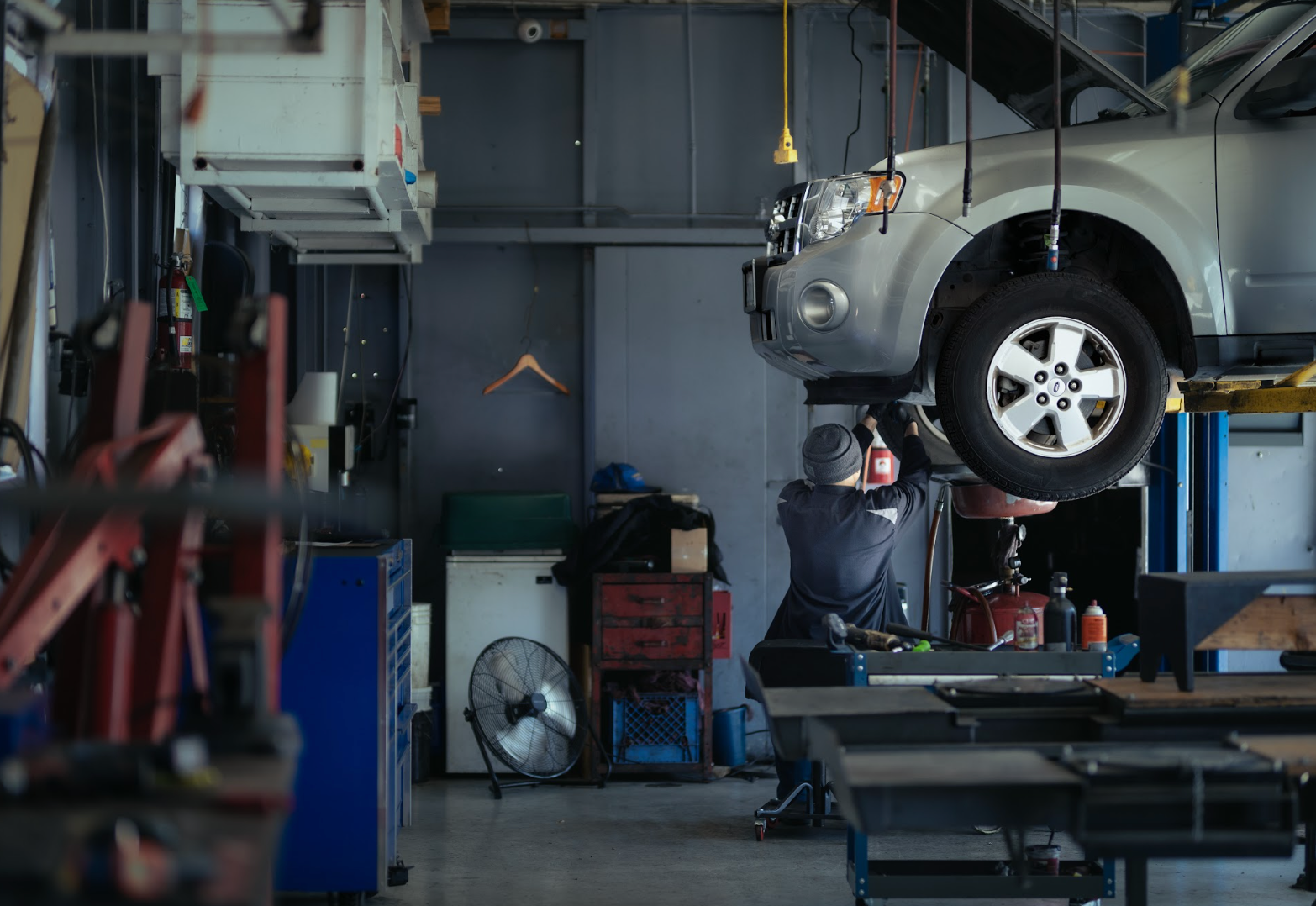
From routine maintenance to emergency repairs, our experienced mechanics are always ready to provide top-notch service. Larsen Automotive is your premier destination for reliable auto repair solutions, staffed by a team of highly skilled mechanics you can trust. Over the years, we've cultivated a strong reputation as one of the most reliable auto repair shops in Culver City and surrounding areas, including Beverly Hills, Santa Monica, Inglewood, and Marina Del Rey. This reputation is built on our bedrock values of honesty, integrity, and fairness. If you seek expertise, meticulous attention to detail, and transparent communication, look no further than Larsen Automotive. To schedule your visit, make an appointment or call us at (310) 558-2115! We are conveniently located at 10707 Jefferson Blvd, Culver City, CA 90230.