Why Some Vehicles Seem to Last Forever
The Habits, Maintenance, and Decisions That Help Cars Reach 200,000 Miles and Beyond
Have you ever come across a vehicle with 200,000, 250,000, or even 300,000 miles on it and wondered how it continues to run so well?
Many drivers believe that such vehicles are just fortunate or uniquely designed. Although some manufacturers have gained a reputation for producing long-lasting cars, the reality is that vehicle longevity often depends on something much more straightforward: consistent maintenance.
At Larsen Automotive, we often encounter vehicles from Culver City, Santa Monica, Beverly Hills, Marina Del Rey, and nearby areas that maintain reliable performance well beyond expectations. Conversely, we also see some vehicles facing significant issues sooner than anticipated.
The difference is rarely a single repair or a single maintenance service. Instead, it is usually a collection of good habits practiced over time.
If you have ever wondered what helps some vehicles last for hundreds of thousands of miles, here are the answers to some of the most common questions drivers ask.
Can modern vehicles really last 200,000 miles or more?
Absolutely.
Today's cars are made with better design, newer materials, and improved technology. With good care, many can last over 200,000 miles.
In fact, it is becoming increasingly common to see vehicles reach:
• 200,000 miles
• 250,000 miles
• 300,000 miles or more
Mileage alone does not determine whether a vehicle is nearing the end of its life. How the vehicle has been maintained often matters far more than the number displayed on the odometer.
What is the biggest factor in vehicle longevity?
The single biggest factor is preventive maintenance.
Many major repairs begin as small, inexpensive issues. When those issues are identified early, they are often easy to correct. When they are ignored, they can lead to significant damage.
Preventive maintenance helps:
• Reduce wear on critical components
• Improve performance
• Increase reliability
• Lower long-term ownership costs
• Extend vehicle lifespan
The vehicles that seem to last forever are usually the ones that receive consistent attention throughout their lives.
Do regular oil changes really make that much difference?
Yes.
Engine oil is responsible for lubricating internal engine components, reducing friction, controlling heat, and helping remove contaminants.
Over time, oil breaks down and becomes less effective.
Skipping oil changes can lead to:
• Increased engine wear
• Reduced fuel efficiency
• Sludge buildup
• Premature engine failure
Routine oil changes remain one of the most important services for protecting your vehicle over the long term.
Why do some high-mileage vehicles still run so well?
Many high-mileage vehicles have one thing in common: their owners stayed ahead of maintenance.
Rather than waiting for something to break, they addressed issues as they appeared.
They often followed recommended service schedules for:
• Oil changes
• Fluid services
• Brake inspections
• Tire rotations
• Cooling system maintenance
• Battery inspections
Small investments made consistently over time often result in a much longer vehicle lifespan.
Is preventive maintenance really cheaper than repairs?
Almost always.
For example, replacing worn brake pads is far less expensive than replacing pads, rotors, and calipers after severe wear has occurred.
Similarly, repairing a small coolant leak is much less costly than replacing an engine damaged by overheating.
Preventive maintenance helps drivers avoid:
• Unexpected breakdowns
• Emergency repairs
• Secondary component damage
• Larger repair bills
It is one of the smartest investments a vehicle owner can make.
How important are fluid services?
Fluids are essential to nearly every system in your vehicle.
Over time, fluids become contaminated and lose effectiveness.
Important fluids include:
• Engine oil
• Transmission fluid
• Coolant
• Brake fluid
• Power steering fluid
Keeping these fluids clean and properly maintained helps protect expensive components and improve overall reliability.
What role do tires play in vehicle longevity?
Many drivers think of tires only as safety items, but they also affect the health of other vehicle systems.
Proper tire maintenance helps:
• Improve fuel economy
• Reduce suspension wear
• Enhance handling
• Extend tire life
• Improve ride quality
Simple services such as tire rotations, wheel balancing, and alignment inspections can have a significant impact on overall vehicle performance.
Why are regular inspections so important?
Many vehicle problems begin long before drivers notice symptoms.
Regular inspections help identify concerns before they become larger issues.
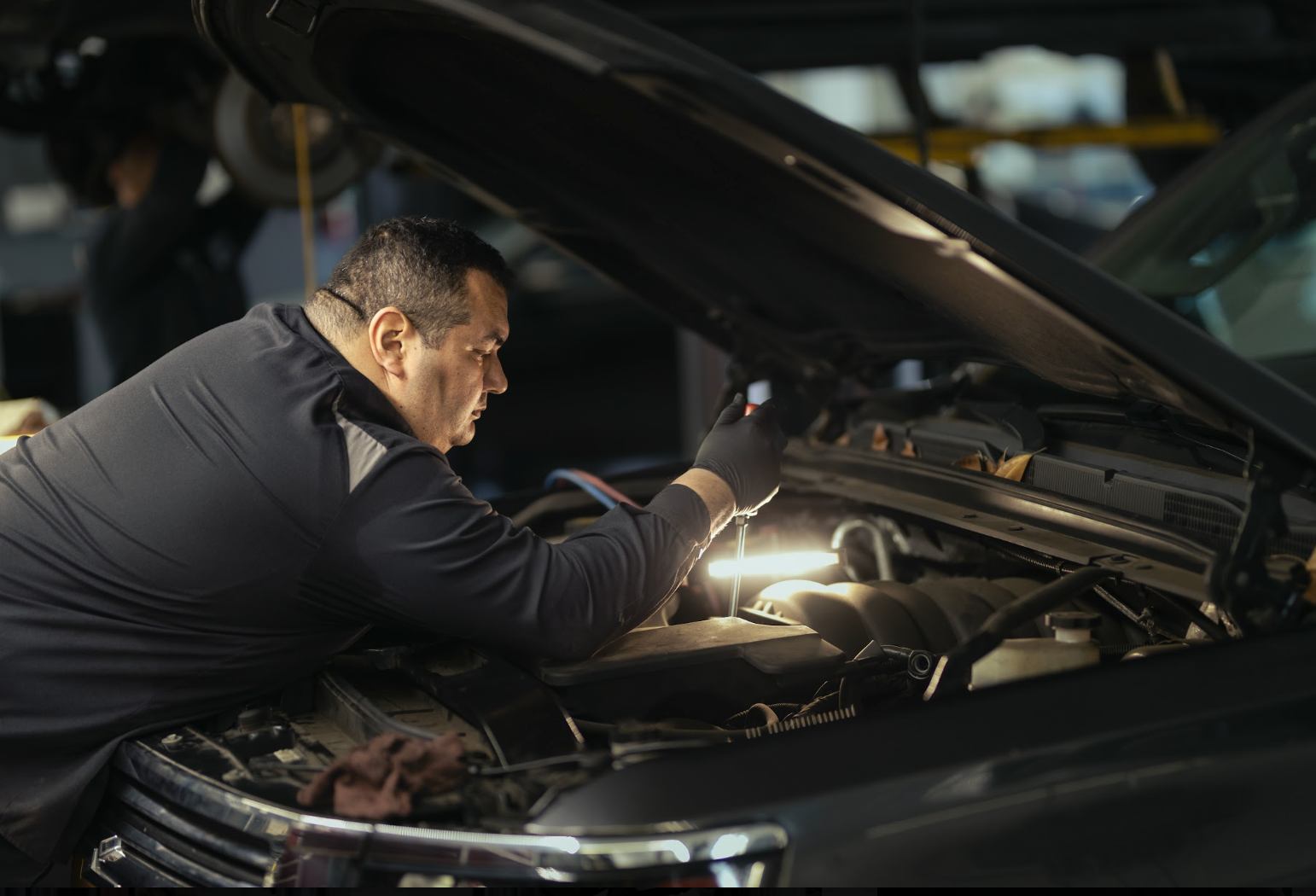
A professional inspection may uncover:
• Minor leaks
• Worn belts
• Tire wear issues
• Weak batteries
• Suspension wear
• Brake concerns
Catching these problems early often prevents more expensive repairs later.
Does where you drive affect how long your vehicle lasts?
Yes.
Driving conditions play a major role in vehicle wear.
For Southern California drivers, common factors include:
• Heavy traffic
• Frequent stop and go driving
• Long commutes
• High temperatures
• Coastal moisture
These conditions place additional stress on brakes, cooling systems, tires, and batteries.
Routine maintenance becomes even more important under these circumstances.
What are some habits that shorten a vehicle's lifespan?
Certain habits can accelerate wear and increase repair costs.
Common examples include:
• Ignoring warning lights
• Skipping maintenance appointments
• Delaying repairs
• Driving on worn tires
• Operating with low fluid levels
• Ignoring unusual noises
The sooner problems are addressed, the easier and less expensive they typically are to resolve.
Does mileage matter as much as maintenance?
This often surprises people, but maintenance is frequently more important than mileage.
A well-maintained vehicle with 180,000 miles may be in far better condition than a neglected vehicle with 90,000 miles.
When evaluating vehicle health, professional technicians look at:
• Maintenance history
• Overall condition
• Fluid quality
• Wear patterns
• System performance
These factors often provide a more accurate picture than mileage alone.
How often should I have my vehicle inspected?
While recommendations vary depending on the vehicle, regular inspections are one of the best ways to maximize reliability.
Many drivers choose to have inspections performed during routine services such as oil changes.
This allows technicians to monitor wear over time and identify concerns before they become larger problems.
Consistent inspections help create a maintenance strategy that supports long-term vehicle health.
Why do so many drivers keep their vehicles longer today?
Vehicle prices have increased significantly over the past decade, making longevity more valuable than ever.
Many drivers are choosing to maintain their current vehicles rather than replace them.
Benefits include:
• Lower ownership costs
• No new vehicle payments
• Familiarity with the vehicle's history
• Improved long-term value
With proper care, many modern vehicles can provide years of dependable service.
Why do drivers trust Larsen Automotive?
At Larsen Automotive, we believe that helping customers protect their vehicles is one of the most valuable services we provide.
Drivers throughout Culver City, Santa Monica, Beverly Hills, Inglewood, and Marina Del Rey choose us because:
• We provide honest recommendations
• We focus on preventive care
• We communicate clearly and transparently
• We prioritize long-term reliability
• We treat every vehicle with attention to detail
Our goal is not simply to repair vehicles. It is to help drivers get the maximum life, value, and reliability from their investment.
Schedule Your Vehicle Inspection Today
From routine maintenance to emergency repairs, our experienced mechanics are always ready to provide top-notch service. Larsen Automotive is your premier destination for reliable auto repair solutions, staffed by a team of highly skilled mechanics you can trust.
From routine maintenance to emergency repairs, our experienced mechanics are always ready to provide top-notch service. Larsen Automotive is your premier destination for reliable auto repair solutions, staffed by a team of highly skilled mechanics you can trust. Over the years, we've cultivated a strong reputation as one of the most reliable auto repair shops in Culver City and surrounding areas, including Beverly Hills, Santa Monica, Inglewood, and Marina Del Rey. This reputation is built on our bedrock values of honesty, integrity, and fairness. If you seek expertise, meticulous attention to detail, and transparent communication, look no further than Larsen Automotive. To schedule your visit, make an appointment or call us at (310) 558-2115! We are conveniently located at 10707 Jefferson Blvd, Culver City, CA 90230.