Why Is My Car Suddenly Getting Worse Gas Mileage?
What Culver City Drivers Should Know About Changes in Fuel Economy
You know roughly how far a tank of gas usually gets you.
Maybe you fill up once a week. Maybe you know exactly where the fuel gauge normally sits after your commute. So when you suddenly find yourself stopping at the gas station more often, it is easy to notice.
That leads to a common question:
"Why is my car suddenly using more gas than it used to?"
A small change in fuel economy does not automatically mean something is seriously wrong. Traffic, driving habits, weather, tire pressure, maintenance, and several vehicle systems can all influence how efficiently your car uses fuel.
At Larsen Automotive in Culver City, we believe a noticeable change is worth understanding, especially when it sticks around.
Is It Normal for Gas Mileage to Change?
Yes, to an extent.
Fuel economy is not a fixed number. Even if your vehicle is rated for a certain MPG, your actual results depend heavily on how and where you drive.
A week of open freeway driving may produce very different fuel economy from a week spent crawling through Los Angeles traffic.
What matters is the pattern.
If your driving routine has stayed relatively consistent but you are suddenly getting noticeably fewer miles from each tank, your vehicle may be giving you a reason to look a little closer.
Can Low Tire Pressure Reduce Fuel Economy?
It can.
Your tires create rolling resistance as they move across the road. When tire pressure is too low, that resistance can increase, making the vehicle work harder to keep moving.
Tire pressure can change naturally over time, which is why regular checks matter.
Correct inflation also supports tire life, handling, and predictable vehicle performance.
If your fuel economy has changed, checking the tires is one of the simplest places to begin.
Larsen Automotive offers professional tire services in Culver City to help drivers maintain proper tire condition and performance.
Can Overdue Maintenance Make My Car Use More Gas?
Depending on what is overdue, yes.
Your engine relies on several systems working together efficiently. Airflow, ignition, fuel delivery, sensors, fluids, and other components all contribute to how the vehicle runs.
Something does not necessarily have to fail completely before it affects performance.
A vehicle may still start every morning and get you where you need to go while gradually becoming less efficient.
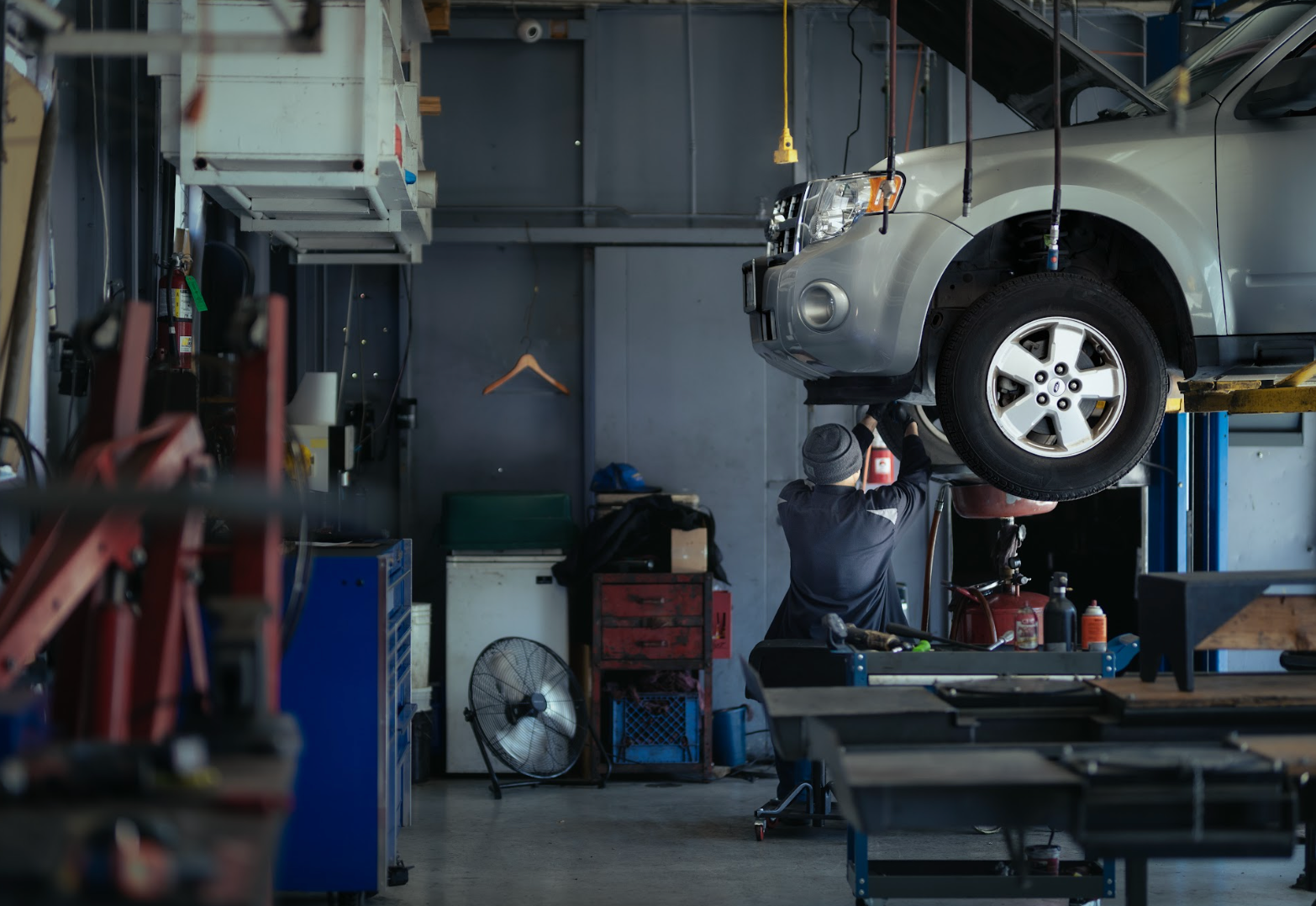
That is one reason preventive maintenance matters. Staying current with recommended services can help identify developing concerns and keep your vehicle operating as intended.
Could Spark Plugs Affect My Gas Mileage?
Worn spark plugs or other ignition problems can affect how efficiently an engine operates.
Spark plugs help ignite the air and fuel mixture inside the engine. Their service life varies by vehicle and plug type.
When ignition components begin causing problems, you may notice more than reduced fuel economy. You may also notice hesitation, rough running, harder starting, or a check engine light.
If your vehicle is due for spark plug service according to its maintenance schedule, it is worth addressing.
Larsen Automotive provides auto tune-up services in Culver City to help address maintenance needs and engine performance concerns.
What Does the Check Engine Light Have to Do With Fuel Economy?
Potentially quite a lot.
Modern vehicles use sensors and computer controls to constantly adjust engine operation.
If the computer detects a problem, it may turn on the check engine light and store diagnostic information.
Some of the issues that trigger that light can affect fuel economy.
The important thing is not to guess based on the light alone. A diagnostic trouble code gives a technician a direction for testing. It does not automatically identify the part that needs replacement.
Proper diagnosis helps determine what is actually happening.
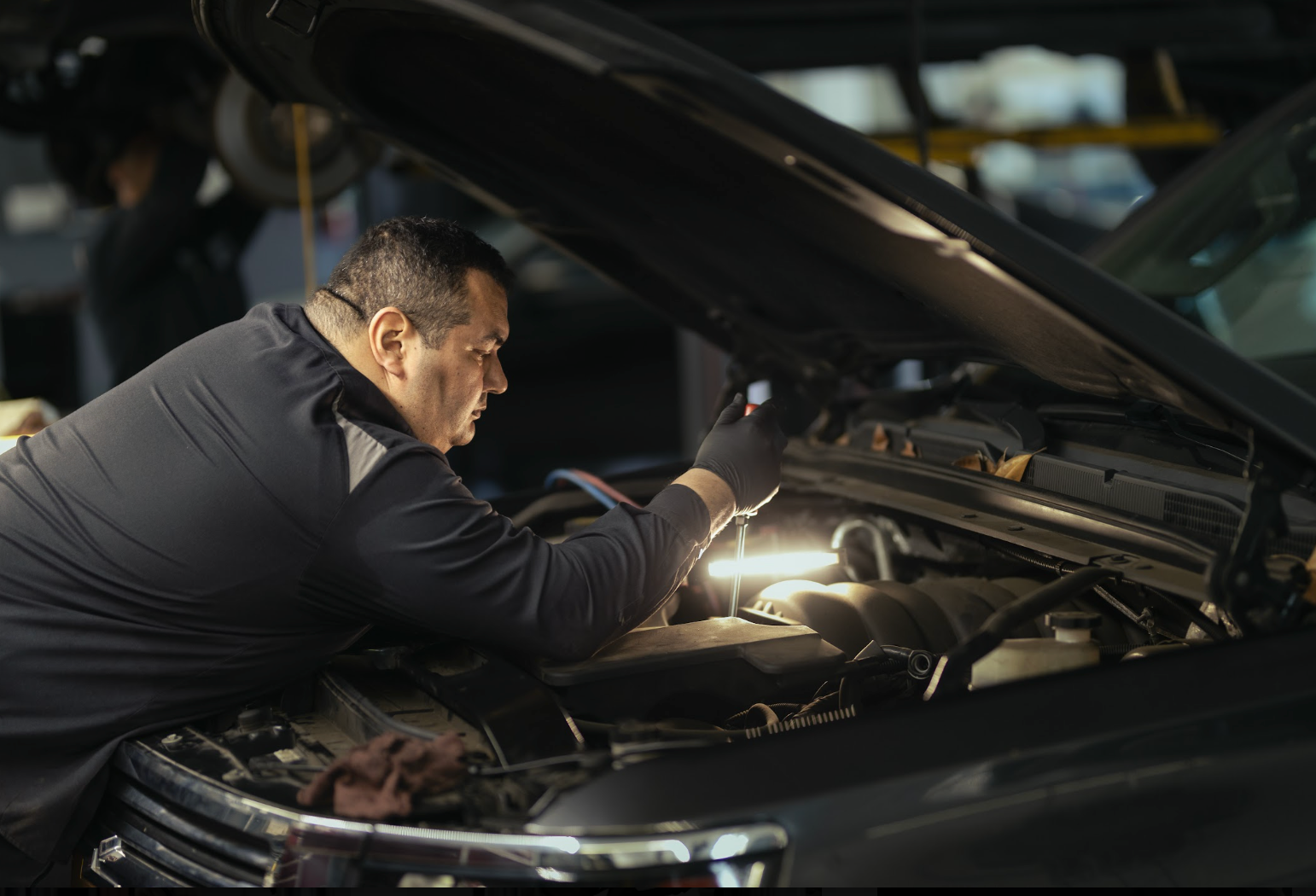
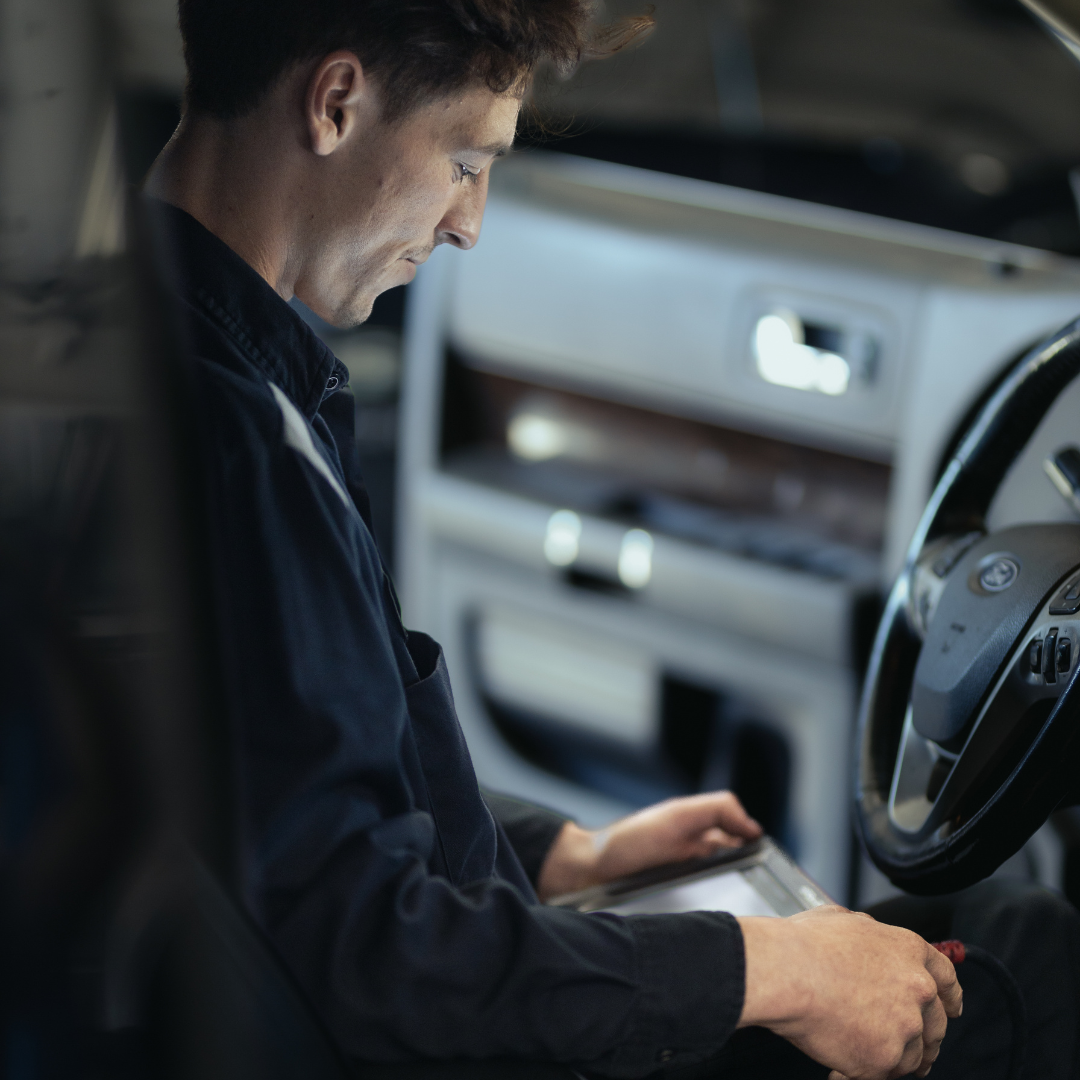
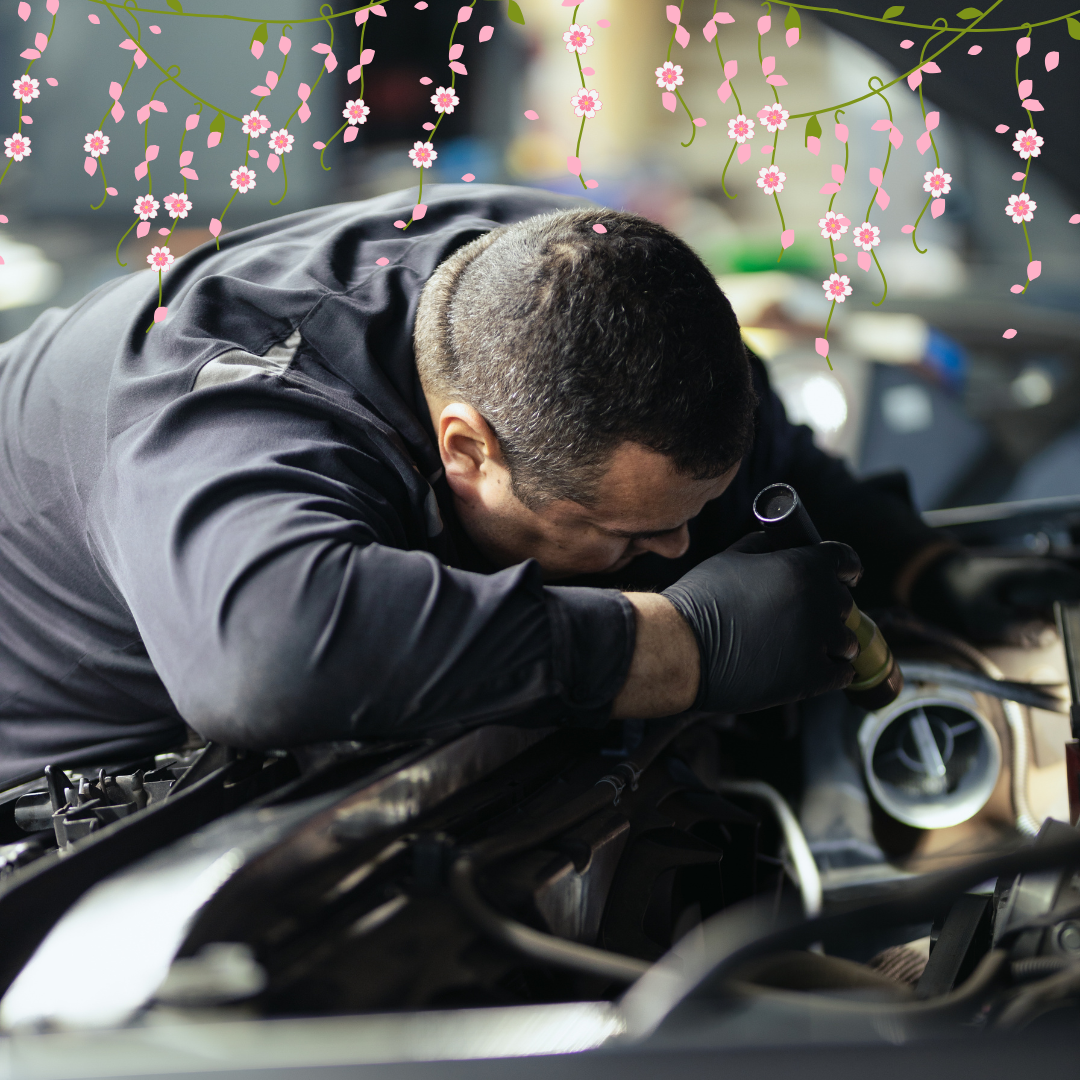
If your check engine light appears alongside declining fuel economy, professional engine diagnostics can help identify the underlying problem before unnecessary repairs are made.
Los Angeles Traffic Can Make a Big Difference
Culver City drivers know how dramatically traffic conditions can change a trip.
A drive that takes 20 minutes one day might take significantly longer the next.
Stop and go traffic requires repeated acceleration and braking. Idling uses fuel while the vehicle travels nowhere. Short trips may also produce different fuel economy from longer, steady drives.
If your MPG changes occasionally during a particularly congested week, traffic may explain it.
But if the decline becomes consistent, even when your routine has not changed, it may be time for an inspection.
Can the Way I Drive Affect MPG That Much?
Absolutely.
Hard acceleration requires more energy than smooth acceleration. Unnecessary weight can also reduce efficiency. Frequent short trips, extended idling, and aggressive driving can all contribute.
Before assuming your car has a mechanical problem, think about whether anything in your routine has recently changed.
Have you started a new commute?
Are you spending more time in traffic?
Are you carrying more cargo?
Small changes can add up.
Could My Brakes Be Hurting My Gas Mileage?
In some situations, a braking system problem can create resistance that makes the vehicle work harder.
You may also notice heat, unusual smells, pulling, or changes in how the vehicle drives.
This is not something you should diagnose based on MPG alone. But it is another example of why looking at the vehicle as a complete system is more useful than assuming one specific part is responsible.
If you notice unusual braking behavior along with reduced fuel efficiency, Larsen Automotive offers brake repair and service in Culver City to help identify and address braking concerns.
What About the Air Filter?
Your engine needs air to operate.
Depending on the vehicle, an excessively dirty or restricted engine air filter may affect performance.
Air filters are routine maintenance items, but replacement intervals vary by vehicle and driving environment.
Rather than replacing one automatically because your MPG dropped, have maintenance needs evaluated as part of the bigger picture.
How Do I Know if My MPG Has Actually Changed?
Tracking it can help.
Instead of relying entirely on the dashboard estimate, you can compare how many miles you travel between fill ups over several tanks.
Pay attention to patterns rather than one unusually good or bad tank.
You can also ask yourself:
- Has my driving routine changed?
- Are my tires properly inflated?
- Is any warning light on?
- Has the engine started running differently?
- Is my vehicle overdue for maintenance?
These details can help narrow down whether the change is likely related to driving conditions or the vehicle itself.
Why Catching Efficiency Problems Early Can Matter
Worse fuel economy is sometimes more than an inconvenience at the pump.
If a mechanical issue is causing the change, reduced MPG may simply be one of the first symptoms you notice.
Finding the cause early gives you the opportunity to address it before the problem becomes more disruptive.
That does not mean every drop in MPG requires a repair.
It means unexplained changes deserve attention.
Frequently Asked Questions About Poor Gas Mileage
Why Did My Gas Mileage Suddenly Drop?
Changes in traffic, tire pressure, driving habits, maintenance needs, or mechanical issues can all contribute. If the change is significant and persistent, an inspection can help identify the cause.
Does Running the Air Conditioning Use More Fuel?
Operating the air conditioning places additional demand on the vehicle and can affect fuel consumption.
Can Bad Tires Lower My MPG?
Tire pressure, condition, and rolling resistance can influence vehicle efficiency. Keeping tires properly inflated is an important part of routine maintenance.
Can an Older Car Still Get Good Gas Mileage?
Yes. Age alone does not determine efficiency. Vehicle condition, maintenance history, design, and driving habits all matter.
Should I Bring My Car In Just Because My MPG Dropped?
If the decline is noticeable, persistent, and cannot be explained by a change in driving conditions, having the vehicle inspected is a reasonable next step.
Find Out Why Your Fuel Economy Has Changed With Larsen Automotive
Your vehicle does not need to break down before it tells you something has changed. Sometimes the clue is simply realizing you are visiting the gas station more often.
From routine maintenance to emergency repairs, our experienced mechanics are always ready to provide top-notch service. Larsen Automotive is your premier destination for reliable auto repair solutions, staffed by a team of highly skilled mechanics you can trust. Over the years, we've cultivated a strong reputation as one of the most reliable auto repair shops in Culver City and surrounding areas, including Beverly Hills, Santa Monica, Inglewood, and Marina Del Rey. This reputation is built on our bedrock values of honesty, integrity, and fairness. If you seek expertise, meticulous attention to detail, and transparent communication, look no further than Larsen Automotive. To schedule your visit, make an appointment or call us at (310) 558-2115! We are conveniently located at 10707 Jefferson Blvd, Culver City, CA 90230.